
Dental Bridges vs. Implants: Which is the Better Tooth Replacement Option?
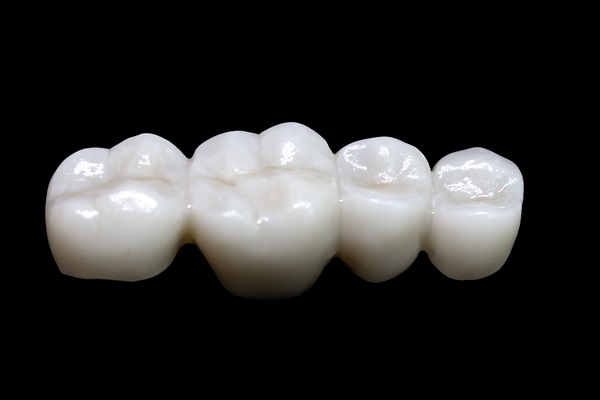
When deciding between two popular tooth replacement options, such as dental bridges or dental implants, consulting a dentist is key. Bridges have long been a trusted solution, while implants are modern and innovative. However, when recommending an option, a dentist will consider factors like oral health, personal preferences, and lifestyle needs.
An overview of dental bridges
Dental bridges are the traditional way of filling the gap a missing tooth or teeth leaves. While they come in a few different forms, all forms are fixed restorations attached to adjacent natural teeth. For example, the traditional bridge consists of a false tooth held in place by crowns cemented over the natural teeth on each side of the space. Though they require the support and alteration of surrounding natural teeth, dental bridges tend to be the least invasive and most cost-effective tooth replacement option.
Who Benefits Most from Dental Bridges?
Dental bridges may be the better option for individuals who:
Have healthy teeth adjacent to the gap, which can support the restoration
Seek a fast solution, as bridges usually require fewer appointments
Are not candidates for surgery due to health issues or insufficient jawbone density
Need an affordable option
Though dental bridges are durable, they usually need replacing after 10 to 15 years. However, a patient can extend the life of their dental bridge with regular dental checkups and diligent oral hygiene.
An overview of dental implants
Dental implants are the newest solution for replacing missing teeth, offering the added benefit of preserving bone health by stimulating the jawbone like natural teeth. The process involves surgically placing a titanium post into the jawbone, followed by securing a crown on top to create a natural-looking, functional, and durable replacement. Unlike dental bridges, implants do not rely on adjacent teeth for support, making them a healthier option for surrounding teeth. However, dental implants typically require a more significant financial investment and a longer treatment timeline, including multiple appointments for placement and healing.
Who Benefits Most from Dental Implants?
Dental implants are ideal for patients who:
Have enough jawbone density to support the implant or are willing to undergo bone grafting
Are healthy enough for surgery
Are in good oral health, free of gum disease, or have it well-controlled
Can commit to a long process, requiring multiple appointments over several months
While the crown eventually needs replacing, the titanium implant can last a lifetime with proper care. Also, like with dental bridges, proper oral health care is key to getting the most out of dental implants.
Making the right choice for you
Replacing missing teeth helps restore confidence in your smile, oral health, and function. While dental bridges and dental implants are both effective solutions, your choice will depend on your unique circumstances. A dentist can evaluate your case, discuss your options, and recommend the right treatment plan for restoring your smile and oral function. Call our team today to schedule a consultation.
Request an appointment here: #appt1 call Somerset Smile Studio at (732) 846-2494 for an appointment in our Somerset office.
Check out what others are saying about our dental services on Yelp: Dental Bridges in Somerset, NJ.
Quick Links
Helpful Articles
article_category: products
article_category: psychiatry
article_category: faqs
article_category: cats
article_category: general
article_category: services
article_category: technology
article_category: dogs
article_category: restorative
article_category: vision therapy
article_category: contact lenses
article_category: health
article_category: conditions
article_category: eye surgery co-management
article_category: exotic
article_category: cosmetic
article_category: surgical procedures
article_category: aesthetics
article_category: preventative
article_category: ocular disease management
article_category: eyeglasses
article_category: eye health
article_category: large animal
[]
article_category: psychiatry
article_category: faqs
article_category: cats
article_category: general
article_category: services
article_category: technology
article_category: dogs
article_category: restorative
article_category: vision therapy
article_category: contact lenses
article_category: health
article_category: conditions
article_category: eye surgery co-management
article_category: exotic
article_category: cosmetic
article_category: surgical procedures
article_category: aesthetics
article_category: preventative
article_category: ocular disease management
article_category: eyeglasses
article_category: eye health
article_category: large animal
[]
Flowbite is an open-source library of interactive components built on top of Tailwind CSS including buttons, dropdowns, modals, navbars, and more.
Check out this guide to learn how to get started and start developing websites even faster with components on top of Tailwind CSS.
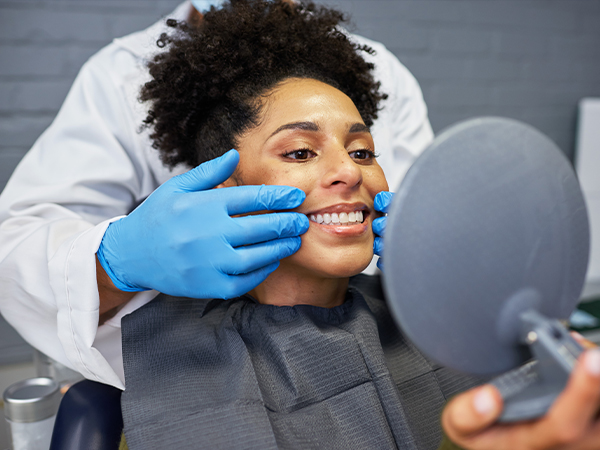
All Dental Services
We offer a wide variety of dental services to the Somerset community. Contact us with any questions about our services.
Keep In Touch
For non-urgent questions or to learn more about our services, contact us today!

Hours of Operation
- Monday 10:00am - 6:00pm
- Tuesday 10:00am - 6:00pm
- Wednesday 10:00am - 6:00pm
- Thursday 10:00am - 6:00pm
- Friday 9:00am - 2:00pm
- Saturday By Appointment Only
- Sunday Closed
© 2026 Somerset Smile Studio. All rights Reserved. Accessibility Statement - Privacy Policy - Sitemap
Powered by 